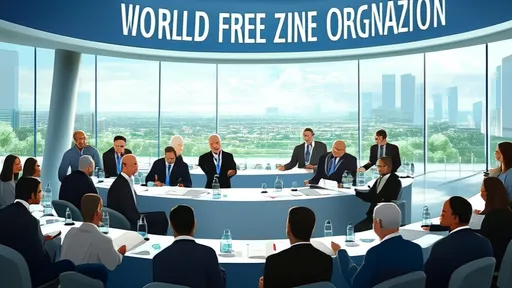
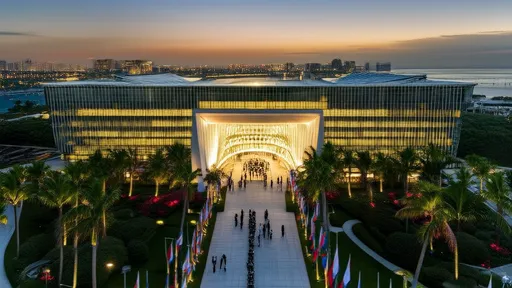
The World Free Zones Organization annual conference has long been recognized as the premier gathering for special economic zone professionals, but this year's edition promises to transcend traditional boundaries by integrating project showcases and cultural networking into its core programming. The evolution from a purely academic and policy-focused event to a multidimensional experience reflects the changing nature of global trade and investment landscapes.
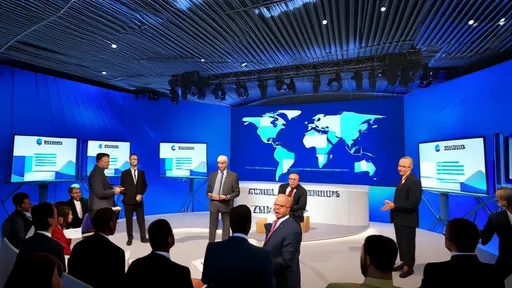
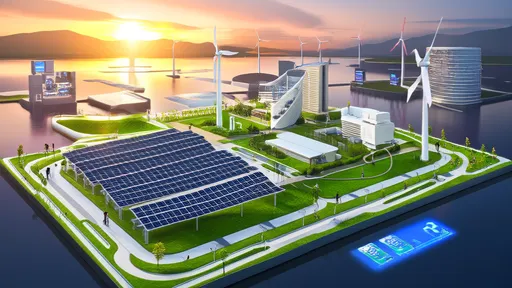
Organizers have deliberately designed the conference to serve as both an educational platform and a dynamic marketplace where potential projects meet interested investors. The project promotion component represents a strategic shift from theoretical discussions to practical deal-making opportunities. Throughout the conference venue, dedicated spaces will host continuous project presentations covering sectors from renewable energy infrastructure to digital transformation initiatives and logistics hub development. These sessions are carefully curated to showcase viable investment opportunities with detailed feasibility studies and comprehensive data packages.
What sets this year's approach apart is the seamless integration of project promotion within the broader conference experience. Rather than isolating investment discussions in separate rooms, organizers have created fluid spaces where formal presentations naturally transition into one-on-one conversations. The physical layout encourages movement and interaction, with project display areas positioned adjacent to networking lounges and refreshment stations. This deliberate spatial planning acknowledges that meaningful business relationships often form in the spaces between scheduled sessions.
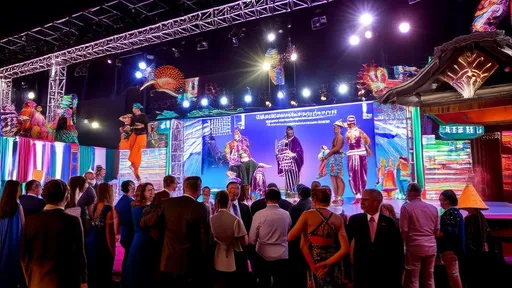
The cultural and social dimension of this year's conference represents an equally significant innovation. Recognizing that international business relationships thrive on personal connections and cultural understanding, the programming includes carefully designed social events that reflect the host country's heritage while creating authentic networking environments. From culinary experiences featuring local cuisine to artistic performances and cultural workshops, these activities provide natural settings for relationship-building beyond the constraints of formal business meetings.
The conference's evening events have been completely reimagined as cultural networking opportunities. Rather than traditional banquet-style dinners, attendees will experience rotating social stations that encourage mingling and cross-cultural exchange. One evening might feature interactive cooking stations where participants can learn about local ingredients while collaborating on meal preparation, creating organic conversation starters and shared experiences. Another night could transform the conference venue into an art gallery showcasing works from free zone regions worldwide, with artists present to discuss how economic development intersects with cultural expression.
This integration of project promotion and cultural networking addresses a longstanding challenge in international business events: the difficulty of transitioning from general interest to concrete collaboration. By creating multiple touchpoints and interaction formats, the conference facilitates relationship development at different levels of engagement. An attendee might first learn about a renewable energy project during a formal presentation, then discuss it informally during a cultural workshop, and finally schedule a detailed meeting with project representatives – all within the same event framework.
The cultural programming extends beyond entertainment to include substantive learning experiences. Workshops on business etiquette in different regions, language basics for key markets, and cultural intelligence training provide practical skills while creating natural networking environments. These sessions are designed to be highly interactive, using cultural exchange as both the subject matter and the methodology for connection. Participants don't just learn about cultural differences – they experience cross-cultural collaboration firsthand through structured activities and shared challenges.
Technology plays a crucial role in bridging the project promotion and cultural networking components. A custom conference application helps attendees identify relevant projects and potential partners before and during the event, while also facilitating introductions and meeting scheduling. The app includes features for cultural matching – connecting participants with shared interests in specific regions or cultural activities – and project tracking, allowing users to follow developments on presentations that interest them throughout the conference timeline.
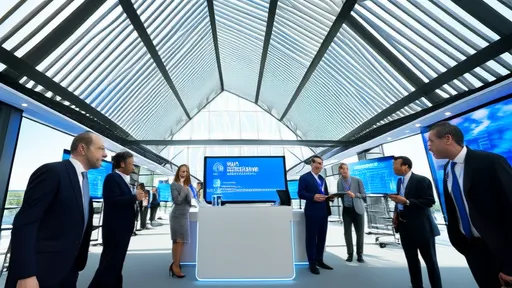
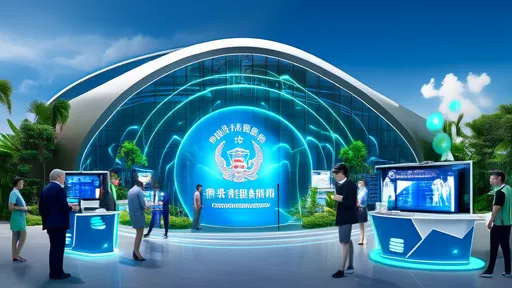
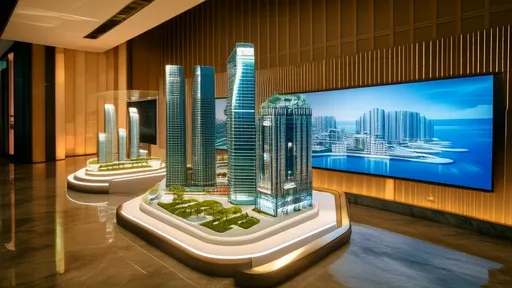
The project showcase areas themselves incorporate cultural elements to create more engaging presentation environments. Rather than standard booth setups, project displays are integrated into themed spaces that reflect their regional origins or industry sectors. A manufacturing zone project might be presented in a space designed to evoke local architectural elements, while a technology initiative could be showcased in an interactive digital environment. These design choices make project exploration more memorable and help contextualize investment opportunities within their cultural and geographic settings.
Networking breaks and meal functions have been redesigned to support both project discovery and relationship building. Instead of conventional coffee breaks, the conference features thematic networking zones focused on specific regions or industry sectors, with dedicated project information stations and facilitated discussions. Lunch sessions use strategic seating arrangements and conversation starters to connect attendees with complementary interests, while food service styles encourage movement and interaction rather than fixed seating.
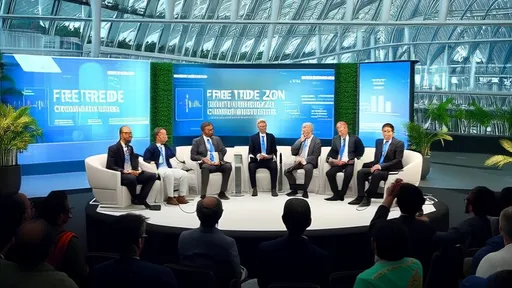
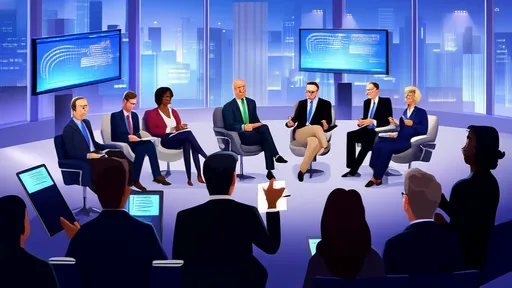
The cultural dimension extends to the conference's approach to content delivery and knowledge sharing. Panel discussions incorporate diverse perspectives not just from different regions but from various sectors including government, private industry, academia, and cultural institutions. Presentation formats vary to accommodate different learning styles and cultural preferences, from traditional lectures to interactive workshops, roundtable discussions, and even performance-based knowledge sharing that uses artistic expression to communicate complex concepts.
Evening networking events leverage cultural programming to create memorable experiences that facilitate deeper connections. Rather than standard cocktail receptions, the conference features cultural immersion activities that allow participants to engage with local traditions while building professional relationships. These might include traditional craft workshops, musical performances with audience participation, or guided cultural tours that combine historical context with contemporary business environment discussions.
The integration of project promotion and cultural networking represents a holistic understanding of how business relationships develop in global contexts. By creating multiple pathways for connection – through shared professional interests, cultural curiosity, and social interaction – the conference maximizes opportunities for meaningful engagement. This approach recognizes that successful international collaborations require both solid project fundamentals and strong interpersonal relationships built on mutual understanding and trust.
Post-conference engagement strategies ensure that connections made during the event continue to develop. The conference platform remains active for six months following the live event, allowing participants to access project information, reconnect with contacts, and continue conversations started during cultural activities. Regional follow-up events and specialized webinars help maintain momentum on specific projects and relationships, creating a continuous engagement cycle rather than treating the conference as an isolated annual occurrence.
The ultimate goal of this integrated approach is to transform the conference from a periodic gathering into an ongoing community. By combining substantive project content with rich cultural experiences and multiple networking formats, organizers aim to create an ecosystem where business relationships can develop naturally across cultural boundaries. This reflects the reality of modern global business, where successful collaborations require both financial viability and cross-cultural compatibility.
As free zones continue to evolve as hubs of innovation and international exchange, the conferences that serve this community must similarly adapt to address both the practical and human dimensions of global trade. This year's integrated approach to project promotion and cultural networking represents a significant step toward creating more valuable, memorable, and productive experiences for all participants – experiences that translate into tangible business outcomes and lasting professional relationships.
By /Oct 10, 2025
By /Oct 10, 2025
By /Oct 10, 2025
By /Oct 10, 2025
By /Oct 10, 2025
By /Oct 10, 2025
By /Oct 10, 2025
By /Oct 10, 2025
By /Oct 10, 2025
By /Oct 10, 2025
By /Oct 10, 2025
By /Oct 10, 2025
By /Oct 10, 2025
By /Oct 10, 2025
By /Oct 10, 2025
By /Oct 10, 2025
By /Oct 10, 2025
By /Oct 10, 2025
By /Oct 10, 2025
By /Oct 10, 2025
