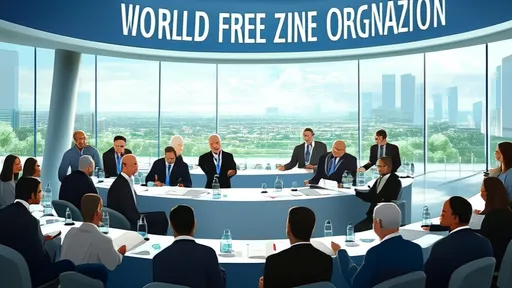
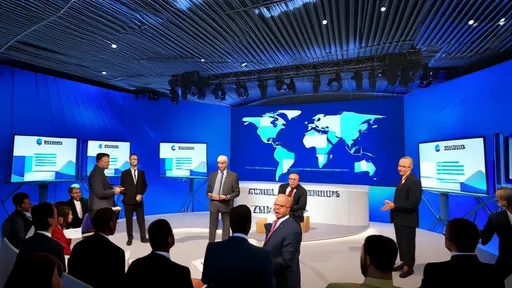
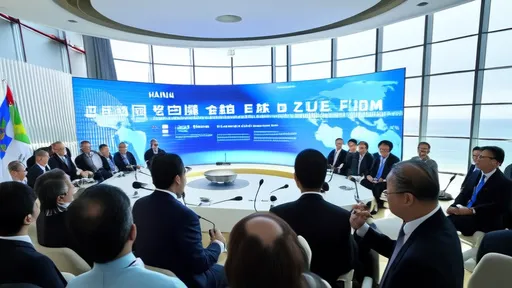
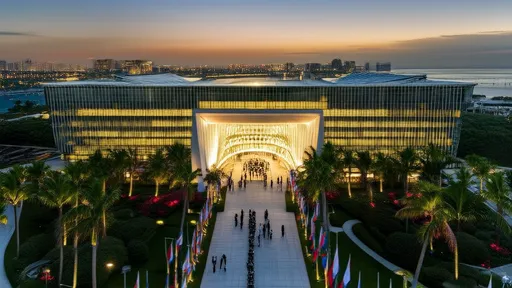
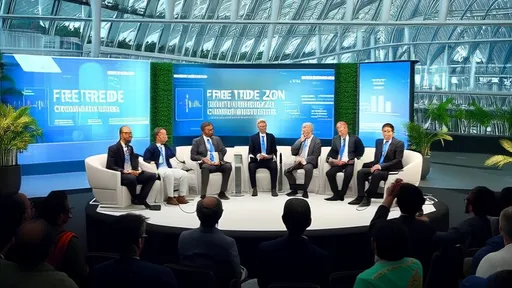
The World Free Zones Congress has long served as a critical nexus for global economic dialogue, but this year's gathering carries a renewed sense of urgency and possibility. Under the resonant theme of "Gateways to Global Prosperity, Trade, and Sustainable Innovation," the assembly transcends its traditional role as a forum for trade specialists. It has evolved into a strategic convocation addressing the most pressing challenges and opportunities of our interconnected age. The corridors of the conference venue hum with conversations that blend commercial ambition with ecological responsibility, signaling a profound shift in how the world perceives the function and future of free zones.
Free zones, once viewed primarily as tax-efficient enclaves for manufacturing and logistics, are being reimagined as multifaceted ecosystems. They are no longer merely about offering fiscal incentives or streamlined customs procedures. The modern free zone is positioning itself as a laboratory for the future of global commerce, a place where economic growth is inextricably linked with technological advancement and environmental stewardship. This transformation is not incidental; it is a deliberate response to the complex tapestry of global supply chain disruptions, climate imperatives, and the digital revolution. The congress, therefore, acts as a crucible where these ideas are forged into actionable strategies.
The pursuit of global prosperity through these specialized economic zones is being fundamentally redefined. The old model, focused on attracting foreign direct investment through low tariffs and cheap labor, is giving way to a more sophisticated approach. Today's leading free zones are competing on the quality of their infrastructure, the skill of their workforce, and the robustness of their digital connectivity. They are creating environments that foster not just production, but also research, development, and high-value services. The discourse at the congress emphasizes that true prosperity is not measured by the volume of goods that pass through a zone, but by the lasting economic value and skilled employment it generates for the host nation and the wider region.
This evolution is critical in a world grappling with economic fragmentation. Free zones are uniquely positioned to act as bridges in a fractured global landscape, offering neutral, predictable, and efficient platforms for international trade. By maintaining high standards of governance and transparency, they can build trust among international partners, facilitating cross-border collaboration even when geopolitical tensions run high. The message from keynote speakers is clear: the free zone of the future is a stabilizer and a connector, a node in a network that prioritizes resilient and inclusive economic growth over short-term gains.
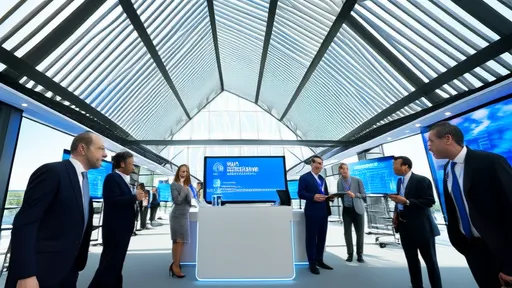
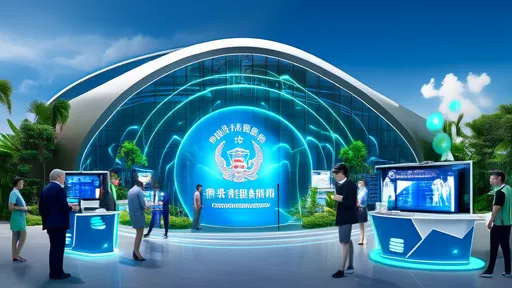
Trade, the lifeblood of the global economy, finds both its catalyst and its testing ground within these zones. The congress dedicates significant attention to the digitalization of trade processes, a transformation as significant as the containerization revolution of the last century. The adoption of blockchain for supply chain transparency, artificial intelligence for logistics optimization, and IoT for asset tracking is moving from pilot projects to mainstream implementation. Delegates are sharing case studies where digital twins of free zones allow for real-time simulation and management, drastically reducing bottlenecks and improving efficiency. This technological leap is making cross-border trade faster, cheaper, and more predictable.
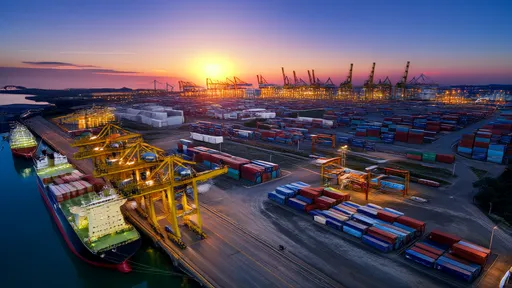
Yet, the conversation extends beyond mere efficiency. A prominent theme is the role of free zones in facilitating the trade of the future—dealing in data, digital services, and intellectual property. As economies become increasingly digitized, free zones are adapting their regulatory frameworks to support these intangible yet immensely valuable flows. Furthermore, the concept of "nearshoring" and building more resilient, regional supply chains is a recurrent topic. Free zones, with their integrated infrastructure and business-friendly environments, are seen as ideal hubs for this re-architected global trade network, reducing over-reliance on single sourcing geographies and enhancing economic security.
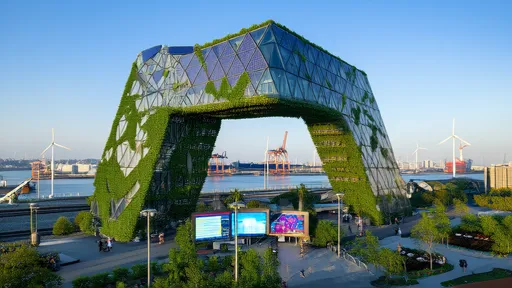
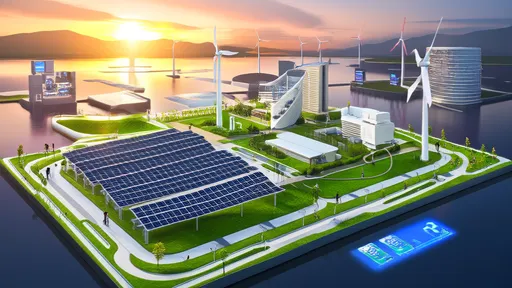
Perhaps the most compelling shift discussed at the congress is the deep integration of sustainable innovation into the core identity of free zones. The era of treating environmental and social governance as a public relations afterthought is over. Sustainability is now recognized as a competitive advantage and a non-negotiable license to operate. Panel sessions are filled with discussions on how to power these vast industrial and commercial areas with renewable energy. Solar canopies over parking lots, wind farms on peripheral lands, and agreements for green hydrogen are becoming common features in the development plans of forward-thinking zones.
The concept of the circular economy is also taking root within these bounded geographies. Instead of a linear "take-make-dispose" model, free zones are designing industrial symbiosis networks where one company's waste becomes another's raw material. This not only minimizes environmental impact but also creates new revenue streams and reduces costs for the businesses located within the zone. Water recycling plants, waste-to-energy facilities, and shared sustainability services are being offered as core amenities, attracting a new generation of environmentally conscious investors.
This focus on sustainability is deeply intertwined with innovation. Free zones are actively courting companies at the forefront of cleantech, agri-tech, and green finance. They are establishing dedicated innovation districts, accelerators, and testing grounds for sustainable technologies. By clustering these pioneers together, they create a powerful ecosystem of collaboration and knowledge spillover. The congress highlights several zones that have successfully rebranded themselves as "green hubs," proving that economic ambition and ecological responsibility are not just compatible but mutually reinforcing.
The ultimate takeaway from the World Free Zones Congress is one of holistic transformation. The free zone is shedding its narrow, utilitarian image and embracing a grander, more integral role in shaping a better global future. It is becoming a microcosm of the world we want to build: prosperous because it is inclusive and innovative, connected because it is efficient and digital, and thriving because it is sustainable and resilient. The gates to these zones are, indeed, gateways to a new paradigm for global commerce—one that holds the promise of shared and enduring prosperity for all.
By /Oct 10, 2025
By /Oct 10, 2025
By /Oct 10, 2025
By /Oct 10, 2025
By /Oct 10, 2025
By /Oct 10, 2025
By /Oct 10, 2025
By /Oct 10, 2025
By /Oct 10, 2025
By /Oct 10, 2025
By /Oct 10, 2025
By /Oct 10, 2025
By /Oct 10, 2025
By /Oct 10, 2025
By /Oct 10, 2025
By /Oct 10, 2025

By /Oct 10, 2025
By /Oct 10, 2025
By /Oct 10, 2025
By /Oct 10, 2025
