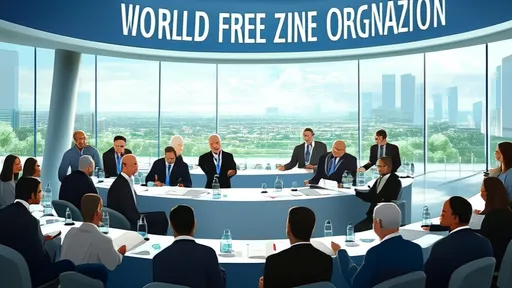
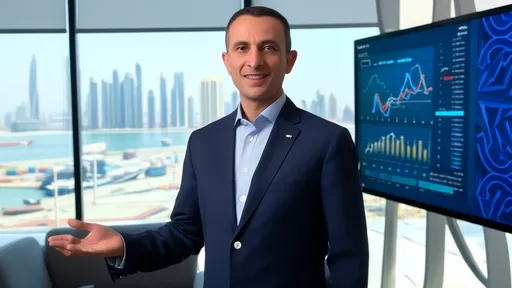
In the bustling landscape of global commerce, free zones have emerged as pivotal gateways to prosperity and trade, a perspective powerfully articulated by Mohammed Al Zarooni, a leading voice in the economic development sphere. These specialized economic areas, carved out within national borders but operating under distinct regulatory and customs frameworks, are far more than mere logistical hubs. They are dynamic ecosystems engineered to foster international business, attract foreign direct investment, and accelerate industrial growth. Al Zarooni’s vision positions these zones not as isolated enclaves but as integrated nerve centers that connect local economies to the pulsating heart of global supply chains, making them indispensable in the modern era of interconnected markets.
The fundamental allure of a free zone lies in its promise of operational efficiency and economic incentive. Companies establishing a presence within these zones are typically granted a suite of benefits designed to lower the barriers to international trade. These often include full foreign ownership, exemption from import and export duties, streamlined customs procedures, and generous tax holidays. This creates a compelling value proposition for multinational corporations and ambitious entrepreneurs alike. By reducing the friction and cost associated with cross-border transactions, free zones enable businesses to optimize their production cycles, manage inventory with greater agility, and respond more swiftly to fluctuating market demands. This environment cultivates a competitive edge that is crucial for survival and growth in today's fast-paced global economy.
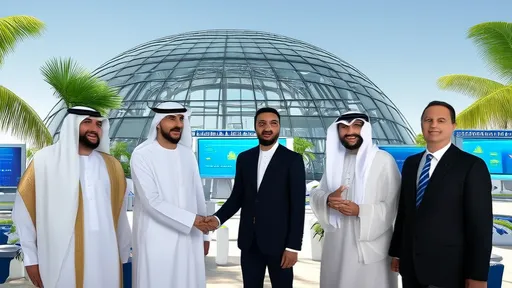
Mohammed Al Zarooni has consistently emphasized the transformative impact these zones can have on regional and national economies. They act as powerful magnets for capital, drawing in investments that might otherwise go to competing jurisdictions. This influx of foreign direct investment does more than just fill government coffers; it sparks a multiplier effect. The establishment of a major manufacturing plant or a corporate headquarters within a free zone creates a cascade of ancillary opportunities. Local businesses spring up to provide services ranging from logistics and packaging to catering and facility management. This stimulates job creation across various skill levels, from blue-collar workers on the assembly line to white-collar professionals in management, finance, and IT, thereby contributing to a more diversified and resilient economic base.
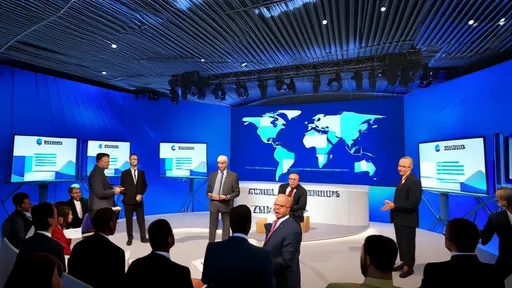
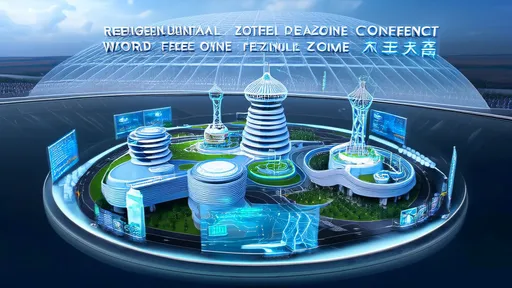
Beyond their immediate economic benefits, free zones serve as living laboratories for innovation and technological adoption. The concentration of diverse industries within a single, purpose-built environment fosters a unique culture of collaboration and knowledge exchange. Companies are often at the cutting edge of their respective fields, utilizing the latest automation, robotics, and data analytics to enhance productivity. This creates a fertile ground for spillover effects, where advanced practices and technologies gradually diffuse into the wider domestic economy. Furthermore, many modern free zones are deliberately developing sectors such as fintech, biotechnology, and renewable energy, positioning themselves not just as trade facilitators but as pioneers of the next industrial revolution.
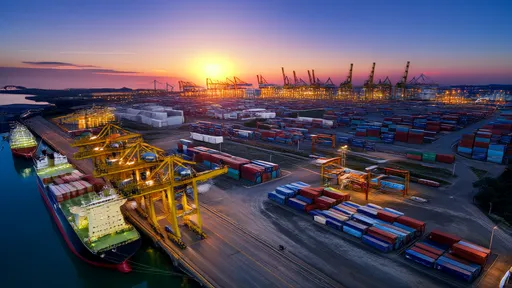
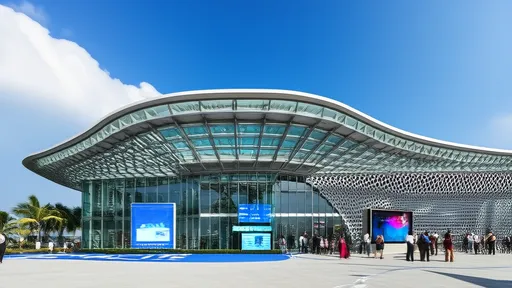
The strategic geographical placement of many free zones further cements their role as critical nodes in global logistics networks. Often situated near major seaports, international airports, or key land border crossings, they offer unparalleled access to both regional and international markets. This logistical advantage is a key factor in their success. A component can be imported duty-free, assembled with other parts sourced from around the world, and then re-exported as a finished product with minimal bureaucratic delay. This seamless integration into global value chains allows companies to practice just-in-time manufacturing and reduce their overall logistics footprint, making their operations leaner, more cost-effective, and more environmentally sustainable.
However, the model is not without its challenges and critics. Al Zarooni and other proponents acknowledge that the very features that make free zones attractive—light-touch regulation and tax exemptions—can sometimes be a double-edged sword. Concerns have been raised about their potential use for illicit activities such as money laundering or tax evasion if oversight is insufficient. There is also the risk of creating economic enclaves that are disconnected from the local economy, with limited transfer of skills or value to the surrounding community. Addressing these concerns requires robust governance, transparent regulatory frameworks, and a conscious effort to build bridges between the zone-based enterprises and local small and medium-sized enterprises to ensure inclusive growth.
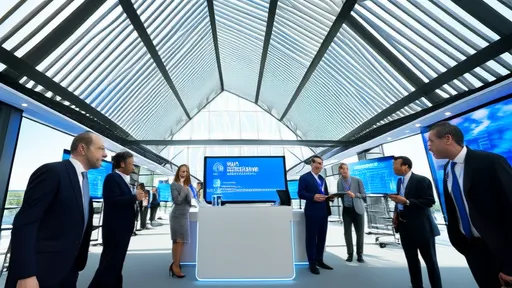
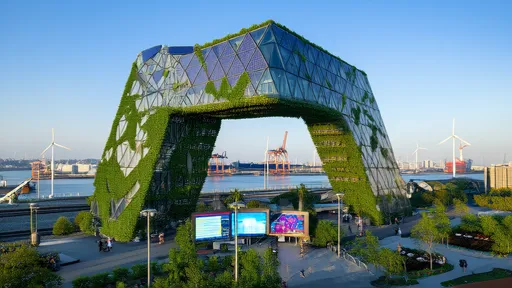
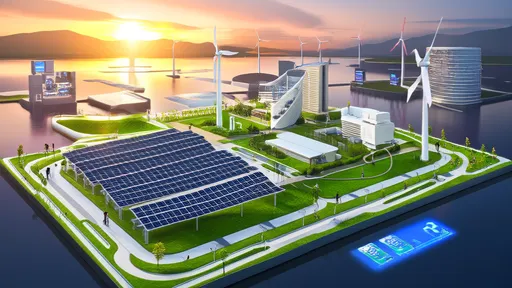
Looking ahead, the future of free zones is intrinsically linked to the evolving trends in global trade. The rise of e-commerce, the increasing importance of sustainability, and the shifting geopolitical landscape are all factors that will shape their next chapter. The most forward-thinking zones are already adapting, investing in smart infrastructure, green building standards, and digital platforms that facilitate paperless trade. They are moving beyond their traditional manufacturing and warehousing roles to become hubs for high-value services, research and development, and even tourism. In this context, Mohammed Al Zarooni's vision of free zones as key portals for prosperity is more relevant than ever. They are evolving from being mere facilitators of trade to becoming architects of a more integrated, efficient, and innovative global economy.
In conclusion, the significance of free zones, as championed by thought leaders like Mohammed Al Zarooni, cannot be overstated. They are powerful engines of economic development, catalysts for job creation, and incubators for innovation. By providing a business-friendly environment with world-class infrastructure and strategic market access, they empower nations to carve out a significant niche for themselves in the competitive global marketplace. While mindful management is required to mitigate potential downsides, their proven ability to drive prosperity and forge stronger international trade links solidifies their status as indispensable gateways in our interconnected world. Their continued evolution will undoubtedly play a critical role in shaping the economic destinies of nations for decades to come.
By /Oct 10, 2025
By /Oct 10, 2025
By /Oct 10, 2025
By /Oct 10, 2025
By /Oct 10, 2025
By /Oct 10, 2025
By /Oct 10, 2025
By /Oct 10, 2025
By /Oct 10, 2025
By /Oct 10, 2025
By /Oct 10, 2025
By /Oct 10, 2025
By /Oct 10, 2025
By /Oct 10, 2025
By /Oct 10, 2025
By /Oct 10, 2025

By /Oct 10, 2025
By /Oct 10, 2025
By /Oct 10, 2025

By /Oct 10, 2025
