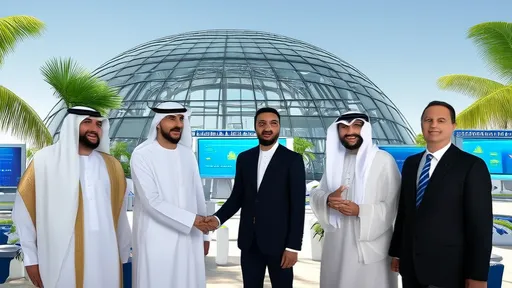
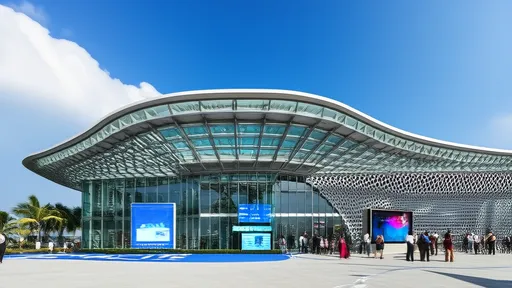
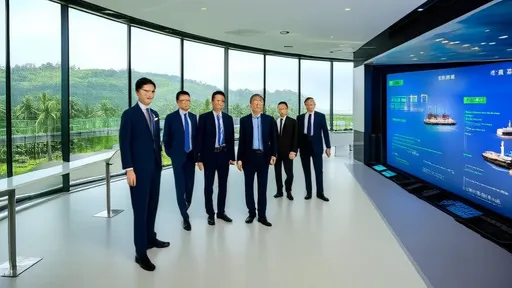
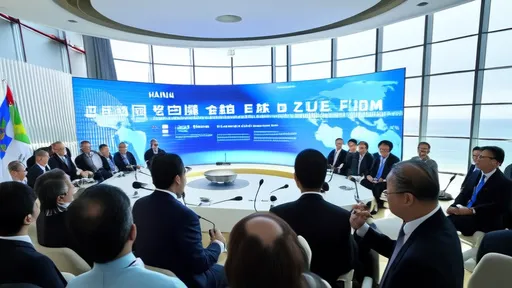
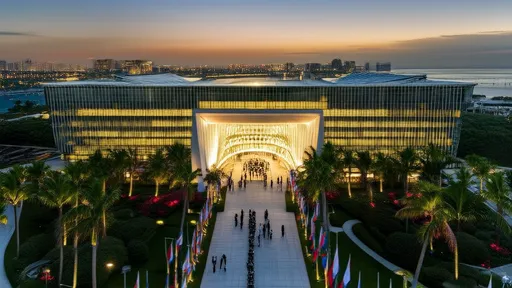
Against the backdrop of China's rapidly evolving retail landscape, Hainan has emerged as a focal point for international attention. The recent showcase event at Hainan Control Duty Free's Sun and Moon Plaza store offered global free zone delegates an unprecedented glimpse into the island's thriving consumer market. As dusk settled over Haikou, the gleaming facade of the shopping complex welcomed distinguished guests from economic zones spanning five continents, marking a significant moment in Hainan's journey toward becoming an international tourism and consumption hub.
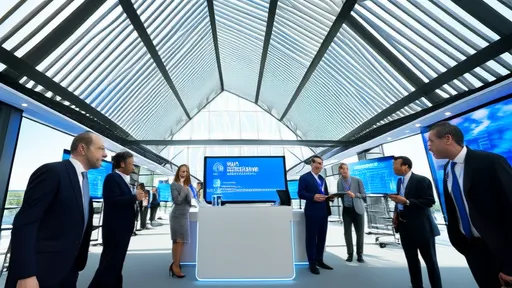
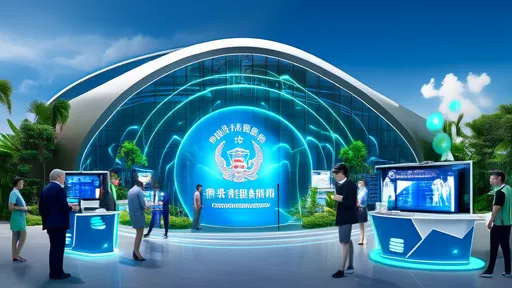
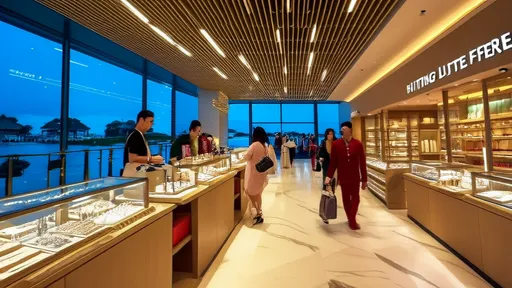
The atmosphere inside the sprawling retail space buzzed with multilingual conversations as delegates explored the meticulously arranged product displays. From luxury cosmetics to high-end timepieces, the merchandise selection reflected both global prestige brands and distinctive local offerings. What particularly captured the visitors' attention was the seamless integration of digital shopping experiences with traditional retail elements, creating an environment that felt simultaneously futuristic and comfortably familiar. Store representatives demonstrated cutting-edge virtual try-on technology while explaining how the physical retail space had been designed to accommodate both domestic shoppers and international visitors.
Throughout the evening, delegates observed firsthand how Hainan's unique policy advantages have transformed the consumer experience. The combination of duty-free privileges and streamlined customs procedures has created a shopping environment unlike any other in the region. Several representatives from Middle Eastern free zones expressed particular interest in the operational model, noting similarities with their own jurisdictions while acknowledging the distinctive aspects of Hainan's approach. The store's layout, which guides visitors through themed zones representing different product categories, received praise for its intuitive design and customer-friendly navigation.
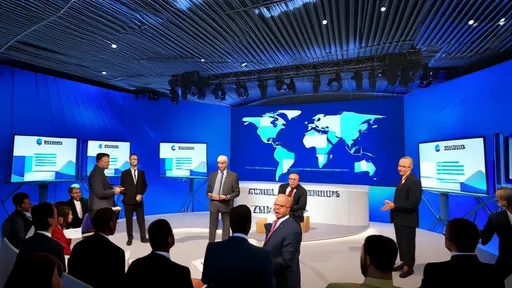
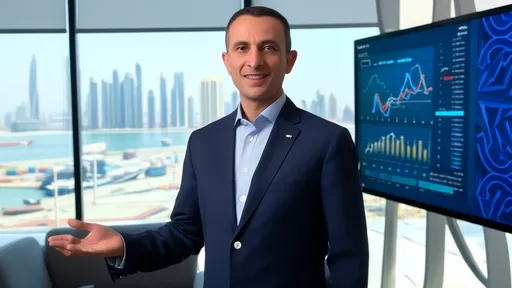
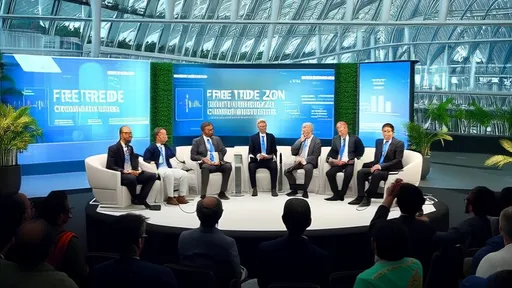
Beyond the immediate retail environment, the event highlighted Hainan's strategic positioning within broader economic trends. Provincial officials presented data showing consistent growth in consumer spending, with particular strength in categories such as beauty products, electronics, and luxury goods. The island's geographic advantage as China's southernmost province, combined with its extensive air and sea connections to major Asian markets, positions it uniquely to serve as a regional consumption hub. Discussion frequently returned to how Hainan's experience might inform development strategies in other special economic zones worldwide.
Consumer behavior analytics formed a significant part of the presentations, with detailed breakdowns of purchasing patterns across different demographic groups. The data revealed intriguing insights about the preferences of both domestic tourists and international visitors, showing distinct variations in brand affinity and product selection. Delegates from Caribbean free zones noted parallels with their own markets, while European representatives observed differences in shopping behaviors that reflect broader cultural distinctions. These comparative perspectives enriched the dialogue throughout the evening, transforming what might have been a simple showcase into a genuine exchange of international retail expertise.
The integration of technology throughout the shopping journey emerged as a recurring theme during facility tours. From AI-powered recommendation systems to mobile payment solutions and digital queuing mechanisms, the store demonstrated how technological innovation enhances rather than replaces human service. Several delegates commented on the sophisticated balance between automation and personal attention, noting that while digital tools streamlined many processes, well-trained staff remained central to the customer experience. This hybrid approach appeared to resonate particularly with representatives from jurisdictions where retail is undergoing similar digital transformations.
Supply chain management and logistics capabilities received considerable attention during technical briefings. The store's operation relies on an intricate network of warehouses, transportation systems, and inventory management protocols that ensure product availability while minimizing wait times for customers. The efficiency of these backend operations directly impacts the front-end consumer experience, a connection that was clearly demonstrated through real-time inventory displays and order tracking systems. Representatives from Southeast Asian economic zones expressed interest in potential collaborations around supply chain optimization, recognizing shared challenges in managing product flow across borders.
Cultural elements woven throughout the retail space provided another dimension for discussion. The store's design incorporates subtle references to Hainan's natural beauty and cultural heritage, creating a sense of place that distinguishes it from generic international shopping venues. This localization within a global retail context struck many delegates as particularly effective, offering lessons about how to maintain regional identity while operating within international commercial frameworks. The careful curation of local specialty products alongside international luxury goods demonstrated how global retail can celebrate rather than erase local character.
As the event progressed into evening receptions, conversations deepened around policy implications and future collaborations. The success of Hainan's duty-free model has implications beyond immediate commercial gains, touching on broader questions about economic development strategies in special zones. Delegates exchanged views on how similar approaches might be adapted to different jurisdictional contexts, considering variations in market size, regulatory frameworks, and consumer bases. The dialogue reflected a shared recognition that while specific models cannot be directly transplanted, the underlying principles of consumer-centric retail development have universal relevance.
The showcase event ultimately transcended its immediate commercial purpose, serving as a platform for meaningful exchange about the future of retail in special economic zones worldwide. What began as a demonstration of Hainan's consumer market evolved into a broader conversation about innovation, adaptation, and the changing nature of global retail. As delegates departed, many commented on the value of seeing Hainan's approach firsthand, noting that the insights gained would inform their own strategic planning. The event reinforced Hainan's position not just as a shopping destination, but as a laboratory for retail innovation with global significance.
Looking forward, the connections forged during this event seem likely to generate ongoing collaboration between Hainan and other international free zones. The shared challenges of operating within special economic frameworks create natural opportunities for knowledge exchange and joint innovation. The success of this showcase suggests that Hainan's retail development experience has relevance far beyond its shores, offering valuable insights for jurisdictions worldwide seeking to enhance their consumer markets. As global retail continues to evolve, the lessons from Hainan's journey will undoubtedly contribute to shaping its future direction.

By /Oct 10, 2025
By /Oct 10, 2025
By /Oct 10, 2025
By /Oct 10, 2025
By /Oct 10, 2025
By /Oct 10, 2025
By /Oct 10, 2025
By /Oct 10, 2025
By /Oct 10, 2025
By /Oct 10, 2025
By /Oct 10, 2025
By /Oct 10, 2025
By /Oct 10, 2025
By /Oct 10, 2025
By /Oct 10, 2025
By /Oct 10, 2025

By /Oct 10, 2025
By /Oct 10, 2025
By /Oct 10, 2025
By /Oct 10, 2025
