In the intricate tapestry of global commerce, a distinct and powerful thread weaves through economies, accounting for nearly a fifth of all trade and supporting the livelihoods of millions. Special Economic Zones (SEZs), free ports, and other designated free trade areas have evolved from niche economic experiments into cornerstones of international trade and development. These enclaves of economic activity, operating under unique regulatory and customs frameworks, are not merely facilitators of trade; they are dynamic engines of growth, innovation, and, most critically, employment.
The sheer scale of their contribution is staggering. Recent analyses by global economic bodies indicate that goods and services flowing through these zones constitute approximately 20% of global trade volume. This is not a marginal figure; it represents a multi-trillion-dollar segment of the world economy, channeling everything from raw materials and sophisticated electronics to financial services and digital products across borders with enhanced efficiency. The very existence of these zones has recalibrated global supply chains, making them more resilient and responsive to the demands of a fast-paced market.
Parallel to their trade impact is their profound role as job creators. It is estimated that SEZs and free zones are directly and indirectly responsible for over 90 million jobs worldwide. This number transcends statistics; it represents families, communities, and entire regions whose economic fortunes are tied to the success of these zones. From the factory floors in manufacturing hubs across Asia to the logistics centers in the Middle East and the service-oriented parks in Europe and the Americas, these zones provide a diverse range of employment opportunities. They have become pivotal in absorbing labor forces, often offering formal employment in regions where such opportunities were previously scarce.
The historical context of these zones is rooted in the post-war era, but their modern incarnation is a testament to globalization. Initially conceived as isolated industrial estates with tax incentives, they have morphed into sophisticated, integrated ecosystems. Today's leading zones are not just about tariff exemptions; they offer world-class infrastructure, streamlined bureaucratic processes, and access to clusters of related industries. This evolution has been crucial. By reducing the friction of cross-border trade—the notorious red tape, cumbersome customs procedures, and infrastructural bottlenecks—these zones lower the cost of doing business internationally. This, in turn, attracts Foreign Direct Investment (FDI), a key ingredient for economic development, particularly in emerging economies.
The employment generated by these zones is multifaceted. Direct employment comes from the companies operating within the zone—manufacturers, logistics firms, tech companies, and service providers. However, the indirect and induced employment effects are often even more substantial. Local restaurants, housing markets, transportation services, and retail sectors flourish by catering to the workforce employed in the zone. Furthermore, the spillover effects include skill development and technology transfer. Workers gain expertise in modern industrial processes, quality control, and international business standards, enhancing the overall human capital of the host country.
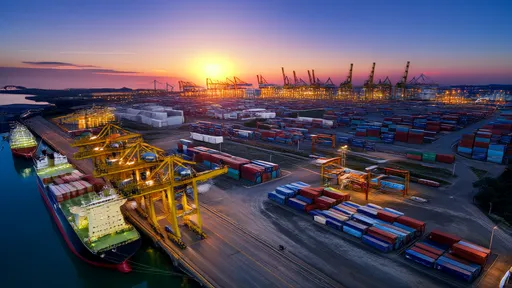
Different regions have leveraged the model to suit their unique economic strategies. In China, the pioneering Shenzhen Special Economic Zone transformed from a fishing village into a global tech megalopolis, serving as a blueprint for the nation's economic miracle. In the United Arab Emirates, zones like Jebel Ali Free Zone (JAFZA) have become pivotal logistics and trading hubs, connecting East and West. In countries like Costa Rica and Mauritius, zones have been instrumental in diversifying economies away from traditional agriculture towards high-value services and technology.
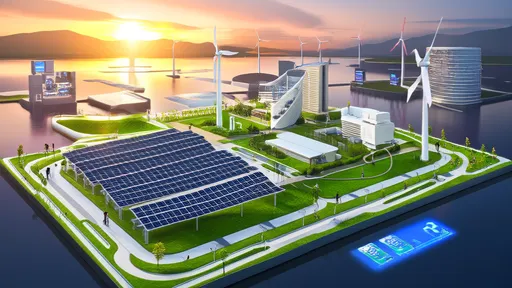
Despite their successes, the model is not without its challenges and critics. Concerns often revolve around labor standards, with accusations of poor working conditions in some zones. There are also debates about the real economic benefits, with some arguing that the tax revenues foregone by host governments outweigh the gains, or that these zones can create economic enclaves disconnected from the broader domestic economy. Furthermore, in an era increasingly focused on sustainability, the environmental footprint of concentrated industrial activity within these zones is coming under greater scrutiny. The future viability of the SEZ model will depend on its ability to evolve into a more sustainable and inclusive format, often termed "SEZ 2.0" or "Smart Zones," which prioritize green technologies, digital integration, and higher social standards.
Looking ahead, the role of free zones is set to become even more complex and integrated. The forces of digitalization, the reconfiguration of global supply chains post-pandemic, and the urgent global push towards sustainability are reshaping the landscape. The zones that will thrive are those that can offer not just fiscal incentives, but also a robust digital infrastructure, a commitment to renewable energy, and a skilled, innovative workforce. They are transitioning from being mere cost-advantage locations to becoming hubs of innovation and sustainable practice.
In conclusion, the narrative of Special Economic Zones and free trade areas is one of profound global impact. The figure of 20% of trade is a testament to their efficiency and integration into world commerce. The statistic of over 90 million jobs underscores their role as a fundamental pillar of global employment. They are more than just designated areas on a map; they are vibrant, pulsating centers of economic activity that have lifted millions out of poverty and continue to drive the engine of global trade. As the world economy navigates the challenges of the 21st century, these zones, in their evolving forms, will undoubtedly remain at the forefront, shaping the future of how the world does business.
By /Oct 10, 2025
By /Oct 10, 2025
By /Oct 10, 2025
By /Oct 10, 2025
By /Oct 10, 2025

By /Oct 10, 2025
By /Oct 10, 2025
By /Oct 10, 2025
By /Oct 10, 2025
By /Oct 10, 2025
By /Oct 10, 2025
By /Oct 10, 2025
By /Oct 10, 2025
By /Oct 10, 2025
By /Oct 10, 2025
By /Oct 10, 2025

By /Oct 10, 2025

By /Oct 10, 2025
By /Oct 10, 2025
By /Oct 10, 2025
