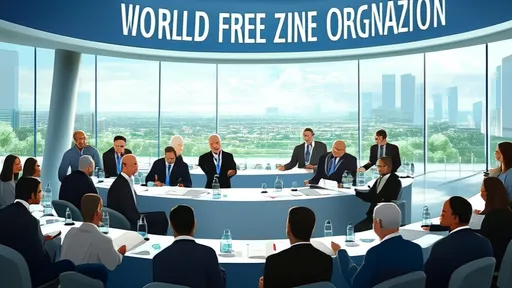
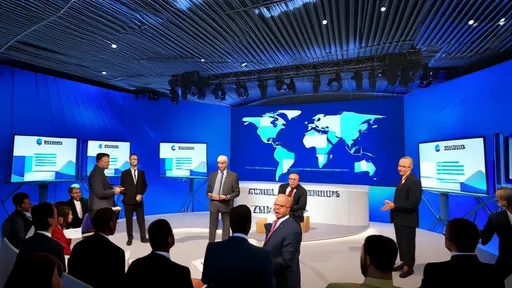
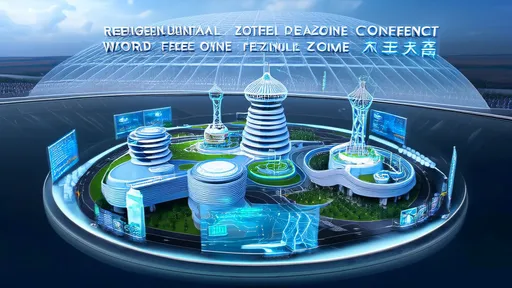
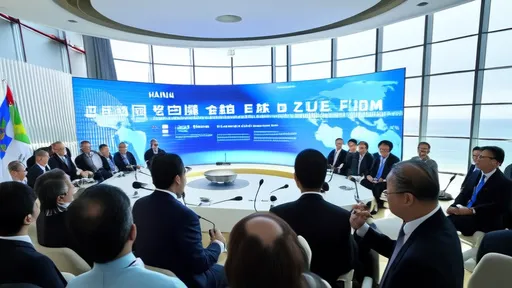
The recent World Free Zones Conference unfolded as a testament to the evolving role of special economic zones in the global landscape. No longer mere enclaves for tax-efficient manufacturing and trade, these zones are being reimagined as catalysts for a more equitable and sustainable form of economic progress. The central theme of inclusive growth resonated through every case study and roundtable discussion, signaling a paradigm shift from isolated prosperity to integrated development.
One of the most compelling narratives came from a free zone in Southeast Asia, which detailed its journey from a traditional electronics manufacturing hub to a community-focused economic engine. The leadership described a multi-pronged strategy that began with a fundamental reassessment of their value proposition. Instead of competing solely on low tariffs and streamlined logistics, they invested heavily in creating a high-quality ecosystem. This included building state-of-the-art training centers that partnered with local universities and technical colleges. The goal was not just to provide a ready workforce for the zone's tenants but to upskill the surrounding community, making them eligible for higher-value jobs. The results were striking; a significant percentage of management and technical roles were filled by local talent, fostering a sense of ownership and drastically reducing the social friction that often plagues such developments.
Another powerful case was presented by a Latin American free zone that tackled the challenge of supply chain inclusion head-on. Recognizing that the benefits of foreign direct investment often failed to trickle down to domestic small and medium-sized enterprises (SMEs), they launched a dedicated supplier development program. This initiative provided local SMEs with mentorship, access to international quality standards certification, and, crucially, facilitated introductions to the procurement teams of major multinational corporations within the zone. The program did not hand out contracts, but it leveled the playing field, enabling local businesses to compete on quality and reliability. This created a virtuous cycle where the zone's anchor tenants gained a more resilient and localized supply chain, while the domestic economy captured a larger share of the value generated within the zone's fences.
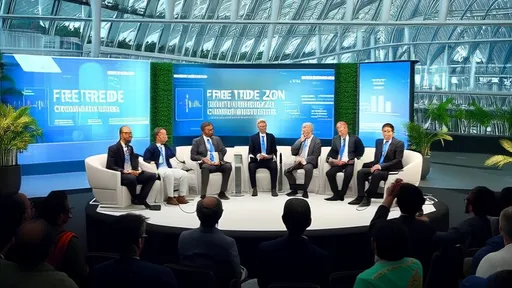
The roundtable dialogues further deepened the conversation, moving beyond individual success stories to grapple with systemic challenges. A recurring topic was the critical role of digitalization as a great equalizer. Participants argued that for free zones to be truly inclusive, they must become hubs of the digital economy, not just the physical one. This means ensuring widespread, affordable access to high-speed internet and digital tools for all businesses within and around the zone. One delegate from an African free zone shared their experience of creating a co-working space and innovation lab that was accessible to local tech startups. This initiative led to several collaborations where these startups developed custom software solutions for the zone's larger industrial tenants, creating a new, knowledge-based economic stream.
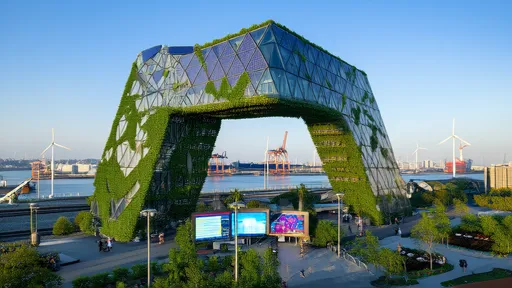
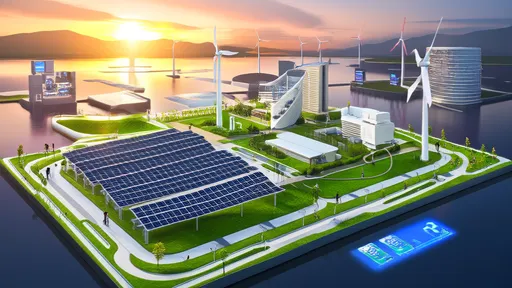
A particularly heated discussion revolved around environmental sustainability as a non-negotiable component of inclusive growth. The consensus was that zones that pollute local environments or deplete natural resources are, by definition, not inclusive, as they impose long-term costs on the surrounding community. Case studies from Europe and the Middle East showcased zones that had made significant investments in renewable energy, circular waste management systems, and green building standards. These were not just public relations exercises; they were presented as sound economic strategies that reduced operational costs, attracted a new class of environmentally conscious investors, and secured their social license to operate from local communities. The dialogue made it clear that the future of free zones is inextricably linked to their ability to operate as green, sustainable cities in miniature.
The human dimension of inclusion was another area of intense focus. Several roundtables explored how free zones can become engines for gender equality and social mobility. A delegate from a zone in the Indian subcontinent presented a groundbreaking program aimed at increasing female participation in the industrial workforce. This involved not only providing safe transportation and on-site childcare facilities but also actively working with tenant companies to eliminate gender bias from their hiring and promotion practices. The results demonstrated that inclusivity is a powerful driver of performance, with companies that embraced diverse teams reporting higher levels of innovation and productivity.
Throughout the conference, a clear and unifying message emerged: the era of the walled garden is over. The most successful free zones of the future will be those that see their walls as permeable membranes, designed to facilitate the flow of capital, knowledge, and opportunity both in and out. They will be judged not by the volume of goods they transship, but by the depth of their integration with the local economy and the breadth of their positive social impact. The metrics of success are expanding to include not just GDP contribution and job numbers, but also skills development, SME growth, environmental stewardship, and community well-being.
In conclusion, the World Free Zones Conference served as a powerful crucible for new ideas. The shift towards inclusive growth is no longer a theoretical ideal but a practical necessity for the long-term resilience and relevance of free zones globally. The case studies and dialogues proved that when these special economic areas consciously choose to build bridges instead of fortifying walls, they unlock a far more potent and sustainable form of prosperity—one that lifts the fortunes of the zone and the community in a mutually reinforcing ascent. The challenge now lies in scaling these pockets of excellence into a global movement, a task that will require continued collaboration, bold leadership, and an unwavering commitment to a more inclusive vision of global trade.
By /Oct 10, 2025
By /Oct 10, 2025
By /Oct 10, 2025
By /Oct 10, 2025
By /Oct 10, 2025
By /Oct 10, 2025
By /Oct 10, 2025
By /Oct 10, 2025
By /Oct 10, 2025
By /Oct 10, 2025
By /Oct 10, 2025
By /Oct 10, 2025
By /Oct 10, 2025
By /Oct 10, 2025
By /Oct 10, 2025
By /Oct 10, 2025

By /Oct 10, 2025
By /Oct 10, 2025
By /Oct 10, 2025
By /Oct 10, 2025
