In the ongoing battle against wildlife crime, conservationists are turning to an unlikely ally in their forensic toolkit – the very dirt beneath our feet. Soil samples containing environmental DNA (eDNA) are emerging as powerful forensic evidence that could help trace poachers back to crime scenes with unprecedented accuracy.
The concept reads like something from a detective novel: investigators collecting handfuls of soil from boot prints or vehicle tires at poaching sites, then using advanced genetic analysis to match the biological signatures in that dirt to suspects' clothing, footwear, or equipment. This revolutionary technique is transforming how we combat illegal wildlife trafficking across the globe.
How Environmental DNA Works
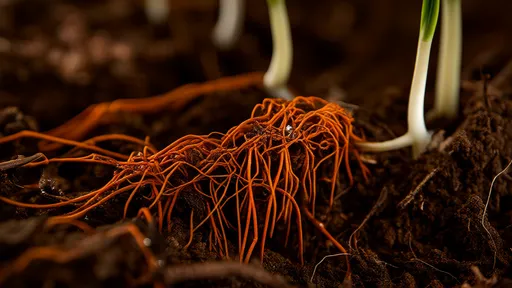
Environmental DNA refers to the genetic material organisms constantly shed into their surroundings – skin cells, hair, feces, saliva, and other biological traces. Unlike traditional DNA evidence that requires direct samples from a person or animal, eDNA captures the complex biological signature of an entire environment. A single gram of soil can contain DNA from thousands of species that have passed through the area.
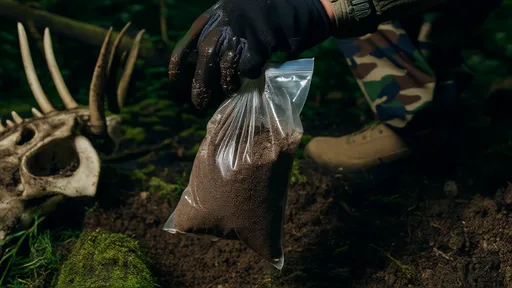
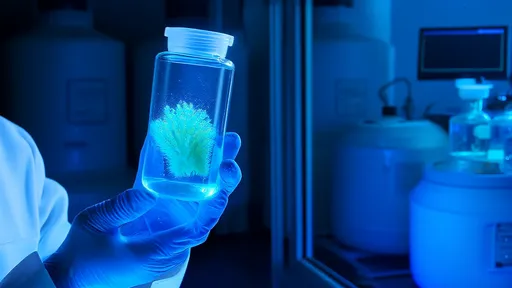
Forensic teams at poaching scenes now meticulously collect soil samples from footprints, tire tracks, and discarded equipment. These samples undergo metabarcoding analysis – a process that identifies multiple species present by sequencing short, standardized DNA fragments. The resulting genetic profile becomes a unique "fingerprint" of that specific location.
The real breakthrough comes when investigators recover soil traces from suspects' possessions. Matching the eDNA profile from a suspect's boot to soil at a poaching site creates compelling physical evidence linking them to the crime scene. Even minute amounts of transferred soil can yield identifiable genetic markers.
Case Studies in the Field
In South Africa's Kruger National Park, where rhino poaching remains rampant, forensic teams have successfully used soil eDNA to prosecute multiple poaching cases. One notable 2021 case involved matching soil trapped in the tread of a suspect's shoes to soil samples collected near a butchered rhino carcass. The eDNA evidence showed the exact path the poachers had taken through the bush, corroborating other forensic findings.
Similarly, in India's Kaziranga National Park, authorities used soil DNA analysis to connect three arrested poachers to multiple tiger killing sites. The soil recovered from their clothing and tools contained genetic markers from plants and microorganisms unique to specific areas of the park where tiger remains had been discovered.
Perhaps most remarkably, researchers in Malaysia demonstrated that eDNA could even identify which specific mud puddle a vehicle had driven through based on the unique aquatic microorganism profile in the splattered mud on its undercarriage. This level of precision offers investigators unprecedented ability to reconstruct a suspect's movements.
The Science Behind Soil Signatures
What makes soil such an effective forensic tool is its extraordinary complexity. A typical soil sample contains DNA from hundreds of plant species, thousands of microorganisms, and various fungi and invertebrates. This creates a biological signature that's effectively impossible to replicate artificially.
Scientists analyze several key components in forensic soil eDNA:
The microbial community - bacteria and archaea that vary dramatically between locations even just meters apart. These microorganisms adapt to specific soil conditions, creating unique population profiles.
Plant DNA - especially from roots and decaying vegetation, which differs based on local flora. The combination of plant species acts like a biological barcode for that location.
Invertebrate DNA - from earthworms, nematodes, and other soil-dwelling creatures that have distinct habitat preferences and distributions.
By combining these datasets, researchers can pinpoint a soil sample's origin with remarkable precision. Advanced machine learning algorithms help compare complex eDNA profiles between crime scenes and suspect samples, identifying matches that would be impossible to detect through traditional microscopy or chemical analysis.
Challenges and Limitations
While promising, soil eDNA forensics isn't without challenges. Soil communities change with seasons and weather conditions, meaning reference samples must be collected close in time to the suspected crime. Heavy rains can wash away or redistribute biological material, while extreme heat may degrade DNA quality.
There's also the issue of establishing chain of custody for soil evidence. Unlike blood or fingerprint samples, soil is everywhere, so defense attorneys may argue contamination occurred during collection or storage. Forensic teams must follow rigorous protocols to document exactly how and where samples were gathered.
Another limitation is the current lack of comprehensive soil eDNA databases. While DNA profiling of humans relies on established databases, soil forensics often requires building reference collections specific to each investigation area. Conservation organizations are now working to create regional soil eDNA libraries that can serve as future forensic resources.
The Future of Environmental Forensics
As the technology matures, researchers envision a future where every protected area maintains a detailed soil eDNA reference map. Park rangers could carry portable sequencers for rapid field analysis, allowing real-time matching of soil samples during routine vehicle checks or suspect interrogations.
Some laboratories are experimenting with "DNA barcoding" of entire protected ecosystems, creating comprehensive genetic maps that would allow even tiny soil traces to be matched to precise locations. When combined with other forensic techniques like isotope analysis, this could create an nearly foolproof system for placing suspects at crime scenes.
The applications extend beyond poaching cases. Soil eDNA could help track illegal logging operations by matching sawdust to specific forest areas, or identify the origins of smuggled plants and animals through soil residues in their packaging. Customs officials might one day routinely swab shipping containers for telltale soil DNA that reveals contraband wildlife origins.
Perhaps most importantly, the mere existence of soil DNA forensics acts as a deterrent. As poachers become aware that even the dirt on their shoes can convict them, it adds another layer of risk to their criminal activities. Conservation groups are actively publicizing successful eDNA prosecutions to amplify this deterrent effect.
From the African savanna to Southeast Asian rainforests, the ground itself is becoming an witness against wildlife crime. As one forensic investigator remarked, "Poachers might remember to wear gloves to avoid fingerprints, but they can't stop the earth from remembering their steps." This remarkable convergence of ecology and criminal investigation promises to revolutionize how we protect vulnerable species in the years ahead.

By /Aug 18, 2025

By /Aug 18, 2025

By /Aug 18, 2025

By /Aug 18, 2025

By /Aug 18, 2025

By /Aug 18, 2025
By /Aug 18, 2025

By /Aug 18, 2025

By /Aug 18, 2025

By /Aug 18, 2025
By /Aug 18, 2025

By /Aug 18, 2025

By /Aug 18, 2025

By /Aug 18, 2025
By /Aug 18, 2025

By /Aug 18, 2025

By /Aug 18, 2025

By /Aug 18, 2025

By /Aug 18, 2025

By /Aug 18, 2025
